
Kettlebells can be an excellent choice for beginners because they support simple full-body workouts without requiring large amounts of equipment or complicated gym setups. Many people starting home fitness routines choose kettlebells because they combine strength training and conditioning into efficient workouts that can fit easily into everyday life.
Jump to top recommended products
Unlike many large home gym machines, kettlebells are compact, versatile and suitable for a wide range of exercises. Beginners can start with basic movements and gradually progress towards more demanding workouts over time without needing to replace their entire setup immediately.
Many first-time users also appreciate that kettlebell training can feel more engaging than repetitive machine workouts. Even simple exercises often involve multiple muscle groups working together, helping create efficient full-body sessions.
If you’re searching for the best kettlebells for beginners in the UK, the right option usually depends on weight selection, handle comfort, build quality and how you plan to train long term.
Compare the Best Beginner Kettlebells UK


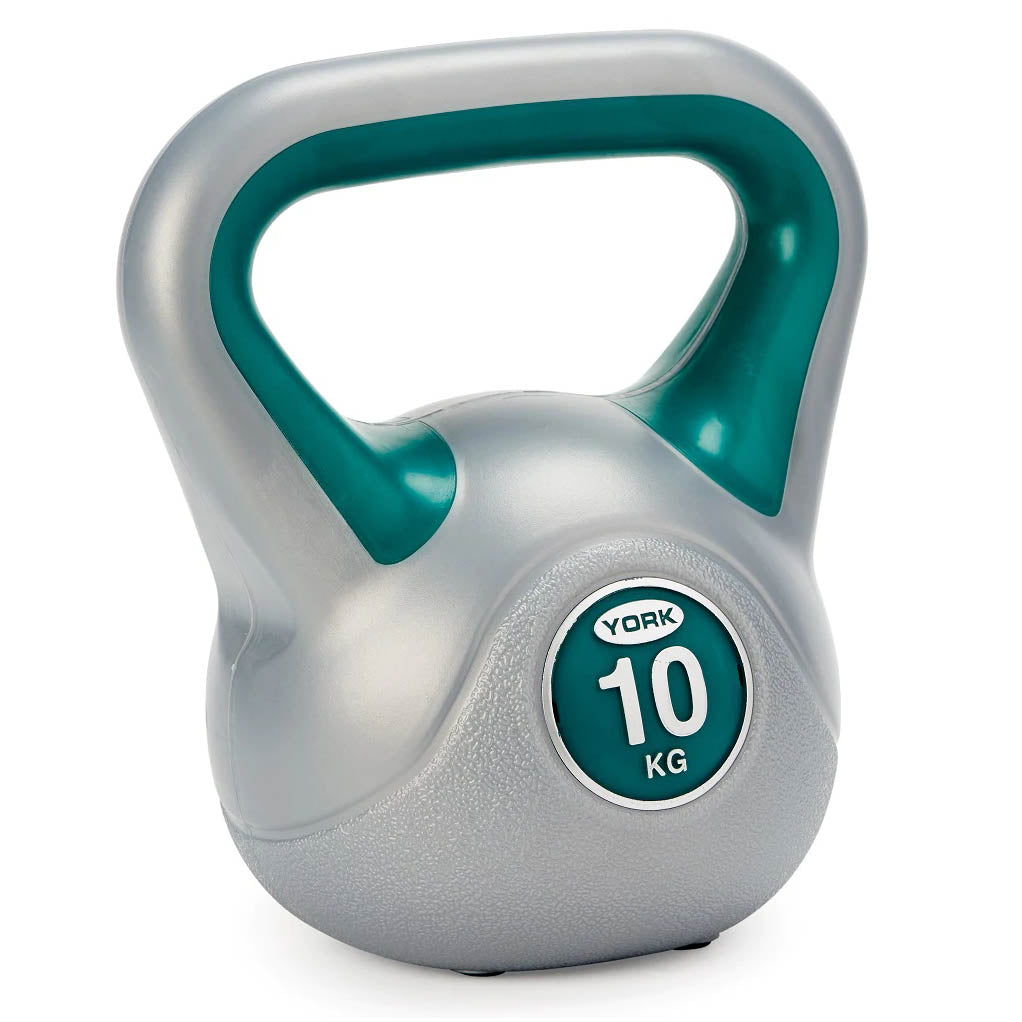


Why Kettlebells Are Good for Beginners
One of the biggest advantages of kettlebells is simplicity. Beginners can perform highly effective workouts using only a small number of basic exercises.
They are especially popular for:
- Home fitness routines
- Beginner strength training
- Fat-loss workouts
- Compact home gyms
- Full-body conditioning
Many beginners also find kettlebells less intimidating than large gym machines or crowded commercial gyms.
Best Beginner Kettlebell Exercises
Most beginners start with simpler movements that build coordination and movement confidence before progressing to more advanced exercises.
Popular beginner exercises include:
- Goblet squats
- Kettlebell deadlifts
- Overhead presses
- Farmer carries
- Rows
- Basic kettlebell swings
These exercises can support strength, conditioning and general fitness using relatively simple routines.
What Weight Kettlebell Should Beginners Start With?
The ideal starting weight depends on factors such as strength level, exercise experience and workout goals.
In general:
- Lighter weights often suit complete beginners focusing on movement quality
- Moderate weights may suit users with previous strength-training experience
- Adjustable kettlebells can support gradual progression
Starting slightly lighter is usually smarter than choosing a weight that limits exercise control or technique.
What to Look For in Beginner Kettlebells
1. Comfortable Handles
Grip comfort matters significantly during swings and high-repetition exercises.
2. Stable Build Quality
Well-balanced kettlebells generally feel safer and easier to control.
3. Practical Weight Range
Beginners benefit from manageable resistance that allows proper movement practice.
4. Adjustable Options
Adjustable kettlebells may suit beginners wanting gradual long-term progression.
5. Compact Storage
Kettlebells are especially attractive for smaller homes because they require minimal storage space.
Adjustable vs Fixed Kettlebells for Beginners
Adjustable Kettlebells
- Save space
- Allow gradual progression
- Replace multiple weights
- Often cost-effective long term
Fixed Kettlebells
- Simpler design
- Traditional workout feel
- No adjustment time required
- Often quicker during circuits
Both options can work well depending on available space and training goals.
Advantages of Beginner Kettlebell Training
Compact Equipment
Kettlebells require very little room compared with larger gym equipment.
Efficient Full-Body Workouts
Many exercises involve multiple muscle groups simultaneously.
Flexible Training Styles
Kettlebells support strength, cardio and conditioning workouts.
Easy Home Use
Beginners can train effectively without needing complex gym setups.
Potential Challenges for Beginners
Technique Learning Curve
Some movements require practice and coordination.
Grip Fatigue
Kettlebell workouts can challenge grip strength quickly.
Choosing the Wrong Weight
Starting too heavy often makes learning harder.
Common Mistakes Beginners Make
Starting Too Heavy
Movement quality matters more initially than maximum resistance.
Trying Advanced Exercises Too Early
Beginners usually progress faster by mastering fundamentals first.
Ignoring Technique
Exercises such as swings rely heavily on proper hip movement.
Overcomplicating Workouts
Simple consistent routines often produce the best beginner results.
How to Get Better Results From Beginner Kettlebell Training
The best results usually come from consistent practice and gradually improving technique over time.
Many beginners benefit from:
- Short full-body sessions
- Simple strength circuits
- Conditioning-focused workouts
- Gradual progressive overload
Because kettlebells are versatile and compact, many users also find them easier to use consistently at home.
How We Assess Beginner Kettlebells
We compare beginner kettlebells based on handle comfort, build quality, stability, ease of use, versatility and overall value for money.
We also consider which products genuinely suit first-time home fitness users rather than more advanced lifters.
Frequently Asked Questions
Are kettlebells good for beginners?
Yes. Many beginners use kettlebells successfully for home strength and conditioning workouts.
What weight kettlebell should beginners use?
The ideal starting weight depends on experience and workout goals.
Are adjustable kettlebells good for beginners?
Yes. Adjustable models can support gradual progression over time.
Can kettlebells help with weight loss?
They can support calorie-burning workouts when used consistently.
Final Verdict
For beginners wanting flexible and efficient home workouts, kettlebells remain one of the most practical fitness tools available. Their ability to support strength training, conditioning and full-body movement using minimal space makes them highly attractive for modern home fitness routines.
If you want simple versatile workout equipment that can grow with your fitness level over time, a quality beginner kettlebell can be an excellent starting point.
