Kettlebells have become one of the most popular pieces of home fitness equipment because they combine strength training, conditioning and functional movement into a single compact tool. From beginners building home workout routines to experienced users focusing on power and endurance, kettlebells support a huge range of training styles without taking up much space.
Skip to latest guides & reviews
Unlike traditional dumbbells, kettlebells use an offset weight design that changes how exercises feel and move. This makes them especially effective for dynamic exercises such as swings, cleans, presses and carries. Many users also prefer kettlebells because they support full-body workouts that blend cardio and resistance training together.
Kettlebells are now widely used in home gyms, garage gyms and functional fitness setups throughout the UK. They are popular with users wanting versatile training equipment that can improve strength, conditioning, mobility and coordination using relatively simple setups.
Depending on your goals, kettlebells can support everything from beginner home workouts and fat-loss training to more advanced strength and athletic conditioning programmes. Some users prefer traditional cast iron kettlebells, while others choose adjustable models designed to save space and replace multiple weights.
Because there are now so many styles available, choosing the right kettlebell often depends on factors such as handle comfort, weight range, build quality and the type of training you plan to focus on long term.
Whether you are building a compact home gym or simply looking for flexible strength equipment that supports efficient workouts, kettlebells remain one of the most versatile training tools available.
Latest Kettlebell Guides & Reviews
Why Kettlebells Are So Popular
One of the biggest reasons kettlebells remain so widely used is versatility. A single kettlebell can support strength exercises, conditioning workouts, mobility drills and full-body cardio training without requiring large amounts of equipment.
Many users also appreciate how efficient kettlebell workouts can feel. Instead of isolating one muscle group at a time, many kettlebell exercises involve multiple muscle groups working together through dynamic movement patterns.
This makes kettlebells especially popular for:
- Home strength training
- Functional fitness workouts
- Conditioning and endurance training
- Compact home gyms
- Full-body workouts
- HIIT-style training
Types of Kettlebells
Cast Iron Kettlebells
Traditional cast iron kettlebells are among the most common and widely used options. They are durable, simple and suitable for most general training styles.
Competition Kettlebells
Competition kettlebells use standardised sizing regardless of weight. They are popular with more advanced users and kettlebell sport training.
Adjustable Kettlebells
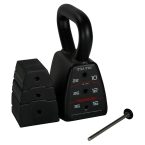
Adjustable models allow users to change resistance without buying multiple separate kettlebells. They are especially useful for smaller home gyms.
Vinyl-Coated Kettlebells
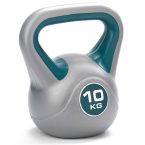
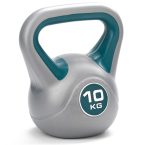
Some beginner-focused kettlebells include vinyl coatings designed to help protect flooring and reduce noise.
What Kettlebells Are Good For
Kettlebells support a huge range of workouts depending on exercise selection and training intensity.
Popular uses include:
- Strength training
- Fat-loss workouts
- Cardio conditioning
- Core training
- Athletic conditioning
- Mobility-focused workouts
Many users also enjoy kettlebell workouts because they can be completed quickly while still feeling physically demanding.
What to Look For Before Buying Kettlebells
1. Weight Selection
Choosing the right weight matters significantly. Beginners often start lighter to focus on movement quality and control before progressing.
2. Handle Comfort
Handle shape and texture affect grip comfort during swings, presses and high-repetition workouts.
3. Build Quality
Well-made kettlebells generally feel more balanced and durable long term.
4. Available Space
Adjustable kettlebells may suit smaller homes better because they reduce the need for multiple separate weights.
5. Training Goals
The ideal kettlebell depends heavily on whether you prioritise strength, conditioning, endurance or general fitness.
Who Kettlebells Suit Best
Kettlebells are ideal for:
- Home fitness users
- Functional fitness training
- Compact home gym setups
- Conditioning workouts
- Users wanting versatile equipment
Many users also prefer kettlebells because they support highly flexible workouts without requiring expensive gym machines.
Advantages of Kettlebell Training
Excellent Versatility
Kettlebells support both strength and conditioning workouts.
Compact Equipment
They take up far less space than many larger machines.
Efficient Workouts
Many kettlebell exercises train multiple muscle groups simultaneously.
Strong Conditioning Benefits
Dynamic kettlebell movements can support cardiovascular fitness as well as muscular endurance.
Potential Downsides to Consider
Learning Curve
Some kettlebell exercises require practice to perform safely and efficiently.
Grip Fatigue
Longer workouts can place significant demands on grip strength.
Limited Maximum Resistance
Advanced strength-focused users may eventually require heavier equipment or additional training tools.
Common Mistakes Beginners Make
Starting Too Heavy
Learning proper movement technique is more important initially than using heavy resistance.
Ignoring Technique
Exercises such as kettlebell swings require proper hip movement rather than excessive arm lifting.
Buying Cheap Poor-Quality Kettlebells
Handle comfort and balance matter more than many beginners realise.
Choosing the Wrong Style
The ideal kettlebell often depends on training goals and available space.
How We Assess Kettlebells
We compare kettlebells based on build quality, handle comfort, balance, durability, versatility and overall value for money.
We also consider which products genuinely suit beginners, compact home gyms and more advanced functional fitness setups.
Frequently Asked Questions
Are kettlebells good for beginners?
Yes. Many beginners start with kettlebell workouts because they support versatile full-body training.
Can kettlebells build muscle?
Yes. Consistent resistance training with kettlebells can support muscle and strength development.
Are adjustable kettlebells worth buying?
For smaller home gyms, adjustable models can provide excellent space efficiency.
Do kettlebells help with cardio fitness?
Yes. Dynamic kettlebell workouts can support conditioning and endurance training.
Final Thoughts
Kettlebells remain one of the most flexible and practical forms of home fitness equipment available. Their ability to combine strength training, conditioning and full-body movement into compact workouts makes them suitable for a huge range of users and fitness goals.
Whether you are building a complete home gym or simply looking for versatile equipment that supports efficient training at home, kettlebells continue to offer excellent long-term value.