Exercise bikes remain one of the most reliable and convenient ways to stay active at home. They’re easy to use, suitable for most fitness levels and ideal for anyone who wants regular cardio exercise without relying on the weather, gym opening hours or crowded workout spaces.
For many people, an exercise bike is the machine that finally makes home fitness sustainable. You can jump on for ten minutes before work, fit in a longer session in the evening or build movement into the day while watching TV or listening to music. That flexibility is a major reason they continue to be one of the most popular choices for UK homes.
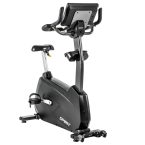
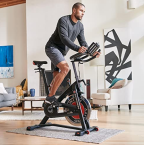
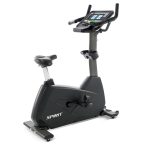
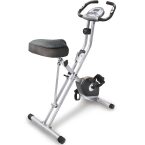
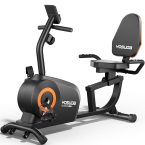
Modern exercise bikes also offer more variety than ever before. Upright bikes are a classic all-round option for general fitness. Spin bikes are designed for tougher sessions and interval training. Folding bikes help save space in smaller homes, while recumbent bikes provide a more supportive seated position that many users find comfortable for longer workouts.
The right choice depends on how you plan to use it. If motivation is your biggest challenge, comfort and convenience matter more than advanced features. If performance is the priority, resistance quality, stability and training data become more important.
We regularly review and compare the latest models to help you find the best options for different budgets, room sizes and workout goals. Whether you’re buying your first bike or replacing an older machine, the guides below will help narrow down the strongest choices currently available in the UK.
A bike you enjoy using consistently is usually a better investment than an expensive model packed with features you’ll rarely use.
Latest Exercise Bike Guides & Reviews
How to Choose the Right Exercise Bike
Buying an exercise bike can feel straightforward until you start comparing options. Prices range from budget beginner models to premium machines with magnetic resistance, heavy flywheels and app connectivity. The best choice usually comes down to your available space, comfort preferences and how often you realistically plan to train.
If you want a simple, dependable machine for regular cardio workouts, an upright bike is often the best place to start. These models mimic a standard cycling position and suit a wide range of users. They’re popular because they balance size, comfort and value well.
Spin bikes are more performance-focused. They tend to be heavier, sturdier and better suited to interval sessions, standing climbs and higher-intensity training. If you enjoy challenging workouts or want a gym-style feel at home, they can be a strong option.
For smaller homes, folding exercise bikes are worth considering. They’re designed to be packed away when not in use, making them practical for flats, spare rooms and shared spaces. While they may not feel as robust as larger machines, many are perfectly suitable for regular moderate workouts.
Recumbent bikes use a chair-style seat with back support and pedals positioned in front of the body. Many people prefer these for comfort, low-impact training or longer sessions. They can also be attractive to users returning to exercise after time away.
What Features Matter Most?
Resistance quality is one of the most important areas to compare. Cheaper bikes often use basic manual resistance systems, while more advanced models may use magnetic resistance for smoother and quieter workouts. If noise matters in your household, this can be a worthwhile upgrade.
Seat comfort and adjustability also make a major difference. A poorly fitting bike quickly becomes frustrating, no matter how many features it offers. Look for adjustable saddle height, handlebar positioning where available and stable construction.
Other useful features include:
- Clear workout display screens
- Heart rate sensors
- Tablet or phone holders
- Transport wheels
- Preset workout programmes
- Bluetooth or app compatibility
These extras can be useful, but they should never outweigh comfort and build quality.
Are Exercise Bikes Good for Weight Loss?
Exercise bikes can be very effective for weight loss when used consistently alongside sensible nutrition. They allow low-impact calorie-burning workouts that are easier to recover from than some higher-impact exercise methods. That often makes consistency easier, which matters more than extreme workouts followed by long gaps.
Many people also find bikes less intimidating than running or strength training, making them an accessible starting point.
Why They Work So Well at Home
Convenience is one of the biggest advantages. There’s no travel time, no waiting for equipment and no concern about weather conditions. Even short sessions become realistic when the bike is only a few steps away.
That convenience often leads to more regular use, and regular use usually drives better long-term results than occasional intense workouts.
How We Assess Exercise Bikes
We compare bikes based on comfort, build quality, resistance feel, user feedback, dimensions, ease of assembly and overall value for money. We also consider who each bike is best suited to rather than assuming one model fits everyone.
A premium spin bike may be excellent for committed users but unnecessary for beginners. Likewise, a budget folding bike may be the smartest purchase for someone short on space.
Prices, stock levels and specifications can change over time. Always check the retailer listing before buying.
Frequently Asked Questions
How often should I use an exercise bike?
That depends on your goals, but even three to five short sessions each week can make a meaningful difference when done consistently.
Are exercise bikes suitable for beginners?
Yes. They’re one of the most beginner-friendly forms of home cardio because intensity is easy to control.
Do I need an expensive bike?
Not necessarily. Many people are better served by a comfortable mid-range bike they use regularly than a premium model they rarely touch.
What is the quietest type of bike?
Magnetic resistance bikes are usually quieter than friction-based alternatives.