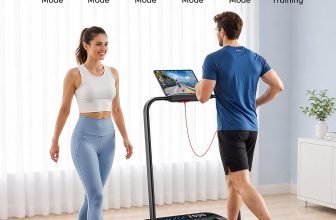
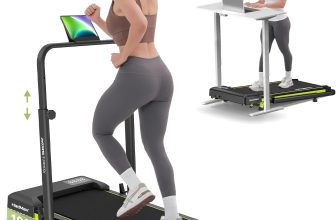
Choosing the right treadmill depends on how you plan to use it, the space available in your home and the type of training you want to do. A treadmill for occasional walking does not need the same specifications as a machine designed for regular running.
Before buying, consider the running surface, maximum speed, motor performance, user weight capacity, folding design, cushioning, incline options and the amount of space available when the treadmill is in use and when it is stored.
Consider How You Will Use Your Treadmill
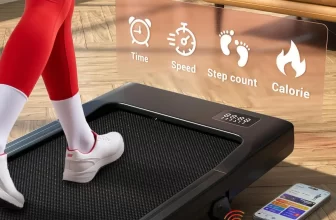
If your main goal is walking while working from home or getting more daily steps, a compact walking pad may be enough. These machines are generally easier to store and can work well where space is limited.
For regular jogging or running, look for a larger running deck, a suitable maximum speed and a treadmill with enough stability for your training style. If you plan to run frequently, spending more on a better equipped machine can provide a more suitable long term setup.
Check the Running Area
The size of the running deck is particularly important if you intend to jog or run. A larger deck provides more room for your natural stride and can make the treadmill feel more comfortable during longer sessions.
Remember to consider the space around the treadmill as well as the dimensions of the machine itself. You should have enough room to use the treadmill safely and enough clearance to access it comfortably.
Folding Treadmills for Smaller Homes
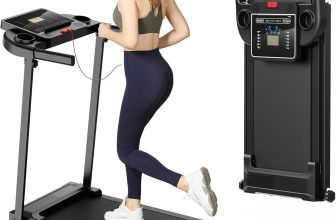
A folding treadmill can be useful when you want a full treadmill without permanently dedicating a large amount of floor space to your equipment. However, folding dimensions can vary considerably between models.
Check the folded height, width and depth before buying, particularly if you plan to store the treadmill in a bedroom, home office or other compact room.
Motor Power and Maximum Speed
Motor specifications can help you understand the intended use of a treadmill, but they should not be considered in isolation. Maximum speed, running deck size, construction and overall stability are also important when comparing models.
For walking and light jogging, a basic treadmill may provide everything you need. Regular runners should look for a machine designed to handle the speed and frequency of their training.
Useful Treadmill Features
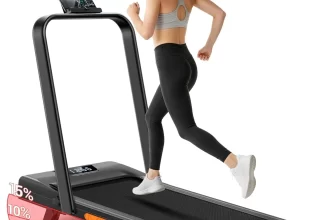
Depending on your training goals, useful features can include adjustable incline, preset workout programmes, speed controls, heart rate monitoring, device connectivity and a clear display.
There is little benefit in paying extra for features you will never use, so focus on the specifications that match your actual workouts rather than choosing a treadmill simply because it has the longest feature list.