Vibration Plates

Vibration plate buying guides and reviews

Add Gentle Variety to Your Home Routine

Compare vibration plates for light home exercise, stretching and adding variety to a routine, from slim compact platforms to larger models with handles. Explore our guides and reviews to find a vibration plate that suits your space, needs and budget.

Explore vibration plate categories:
How to Choose the Right Vibration Plate

The right vibration plate depends on how you plan to use it, whether you need extra support and how much space you have. A slim plate for occasional use is a different purchase from a larger model used every day.

Before buying, consider the vibration type, intensity settings, platform size, stability, user weight limit, noise and storage. Vibration plates are not suitable for everyone, so check with your GP if you have a health condition, are pregnant or have medical implants.

Understand Vibration Types

Vibration plates move in different ways, such as side to side, up and down or in a three-dimensional pattern. Each type feels different underfoot.

Some models combine more than one motion. Read the product details so you know what kind of movement to expect before you buy.

Platform Size and Stability

A larger platform gives you more room to change foot position and try different exercises. It also makes it easier to stand in a stable, balanced stance.

Check that the base sits firmly on the floor and does not shift during use. Non-slip surfaces add confidence, especially at higher settings.

Handles, Straps and Support

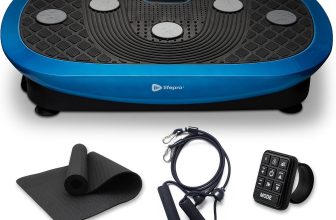
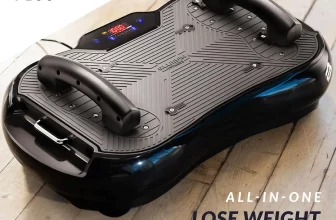
Some plates have a column with handles, which helps if you want extra balance or reassurance. Others are low platforms designed for easy storage.

Resistance bands are often included for upper-body moves. Think about whether you need support or prefer a compact, minimal design.

Intensity Settings and Programmes

Most plates offer a range of speeds and preset programmes. Starting at a low setting lets you get used to the sensation gradually.

A clear control panel or remote makes changing settings easier while you stand on the plate. Simple controls are often more useful than a long programme list.

Noise, Storage and Safety

Vibration plates can transmit noise and vibration through floors, which matters in flats. A mat underneath helps reduce both.

Low platforms slide under a bed or sofa, while column models need a permanent spot. Always follow the manufacturer’s guidance on session length and who should avoid use.

Vibration Plate Buying Guide: Key Things to Check

Use these points to compare vibration plates with confidence.

Vibration typeDecide which motion feels right for you.
Intensity rangeLook for low settings to start gently.
Platform sizeCheck there is room for your feet and exercises.
StabilityMake sure the base stays firm during use.
SupportConsider handles if you want extra balance.
Weight capacityCheck the manufacturer’s maximum user weight.
NoiseMatters in flats and upstairs rooms.
Health adviceCheck with your GP if you have a medical condition.

Are Vibration Plates Worth It for Home Workouts?

A vibration plate can add variety to a home routine, and many people use one for light exercise, stretching or as a warm-up. It works best alongside regular activity rather than as a replacement for it.

The right plate is one that suits your space, feels stable and comfortable, and is safe for your circumstances. If you have any health concerns, speak to your GP before you start.

Vibration Plate FAQs

Who should not use a vibration plate?

Manufacturers usually advise against use during pregnancy or with certain implants, heart conditions or recent surgery. Check the product guidance and speak to your GP if you are unsure.

How long should a vibration plate session last?

Sessions are usually short. Follow the manufacturer’s guidance, start at a low intensity and build up gradually as you get used to the sensation.

Can I use a vibration plate instead of other exercise?

A vibration plate is best treated as an addition to your routine. Regular walking, cardio and strength training remain important for overall fitness.

Are vibration plates noisy?

They produce some hum and vibration, which can travel through floors. A mat underneath helps, and noise levels vary between models.

What should I look for in a vibration plate under £200?

Focus on stability, a non-slip platform, a sensible range of intensity settings and a suitable user weight limit. Clear instructions and a decent warranty matter too.

Do I need a vibration plate with handles?

Handles help if you want extra balance or support. If you prefer easy storage and feel steady on your feet, a low platform may suit you better.

Explore More Vibration Plate Guides

Looking for something more specific? Browse our specialist vibration plate guides for different spaces, needs and budgets.

Strenthio
Logo
;