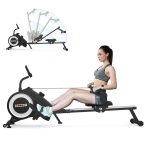
Rowing machines have become one of the most respected pieces of home fitness equipment for good reason. They offer a full-body workout that combines cardio training with muscular endurance, helping users train efficiently without needing multiple machines or a large home gym setup.
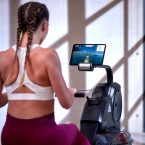
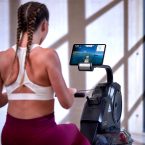
Unlike equipment that focuses mainly on the legs, rowing engages the lower body, core, back, shoulders and arms in one smooth movement. That makes it a popular option for people who want more from each session, whether the goal is general fitness, calorie burning or improving stamina.
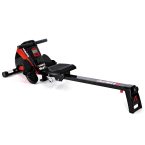
Modern rowing machines now come in several styles, including air, magnetic, water and hydraulic resistance models. Some are built for serious training, while others are designed to be compact, foldable and practical for everyday home use.
The best rowing machine for you depends on your available space, budget, fitness level and the type of workout experience you enjoy. Some people prefer a quiet magnetic rower for regular home sessions, while others want the natural feel and challenge of air or water resistance.
We regularly compare the latest models to help you find the strongest options for different budgets and training goals. Whether you’re buying your first rower or upgrading from a basic model, the guides below will help you narrow down the right choices.
Quick Tip: Comfort, smooth resistance and a machine you’ll use consistently matter more than chasing unnecessary features.
Latest Rowing Machine Guides & Reviews
Why Choose a Rowing Machine?
A rowing machine is one of the few home cardio options that trains both the upper and lower body at the same time. Each stroke uses the legs to drive, the core to stabilise and the upper body to finish the movement, creating an efficient workout that can suit both short intense sessions and longer steady training.
Many people also choose rowing because it is lower impact than running. That can make it a useful option for users who want challenging workouts without repeated pounding on the joints.
Types of Rowing Machine Explained
Magnetic rowers are often quieter and well suited to home environments. They’re popular with beginners and regular home users who value smoother operation and lower noise.
Air rowers increase resistance as you row harder, creating a more dynamic workout. They are often chosen by experienced users and those who want a gym-style feel.
Water rowers are known for their natural rowing sensation and distinctive sound. Many users enjoy the smoother feel and attractive design.
Hydraulic rowers are usually compact and affordable, though they may feel less refined than larger machines.
How to Choose the Right Rower
Start with available space. Some rowing machines are long even when folded, so room dimensions matter. If the machine needs to live in a shared room, foldability and transport wheels can be especially useful.
Next, think about noise levels. Air rowers can be louder, while magnetic rowers are usually quieter. If you live in a flat or train early in the morning, this may influence your decision.
Comfort is another key factor. Check seat quality, rail length, handle grip and footplate adjustability. Taller users in particular should compare rail length carefully.
Are Rowing Machines Good for Weight Loss?
They can be very effective when used consistently alongside sensible nutrition. Rowing sessions can burn significant calories while also involving multiple muscle groups, which many users appreciate when trying to improve body composition.
As with any equipment, consistency matters far more than occasional extreme workouts.
Why Rowing Works Well at Home
Many users enjoy the structure rowing provides. You can train by time, distance, intervals or stroke targets, making progress easy to measure. That sense of progress often helps motivation over the long term.
It is also easier to fit into busy schedules than travelling to a gym for a short session.
How We Assess Rowing Machines
We compare rowing machines based on build quality, resistance feel, comfort, dimensions, ease of storage, user feedback and overall value for money. We also consider who each model is genuinely suited to rather than assuming one machine fits every buyer.
A premium air rower may be excellent for serious training, while a compact magnetic model could be the smarter option for casual home use.
Frequently Asked Questions
Are rowing machines suitable for beginners?
Yes. Resistance and pace can be controlled easily, making them suitable for a wide range of fitness levels.
Do rowing machines take up much space?
Some do, although many modern models fold for easier storage.
What is the quietest type of rower?
Magnetic rowing machines are usually quieter than air-based models.
How often should I use a rowing machine?
Even a few regular sessions each week can make a meaningful difference when done consistently.